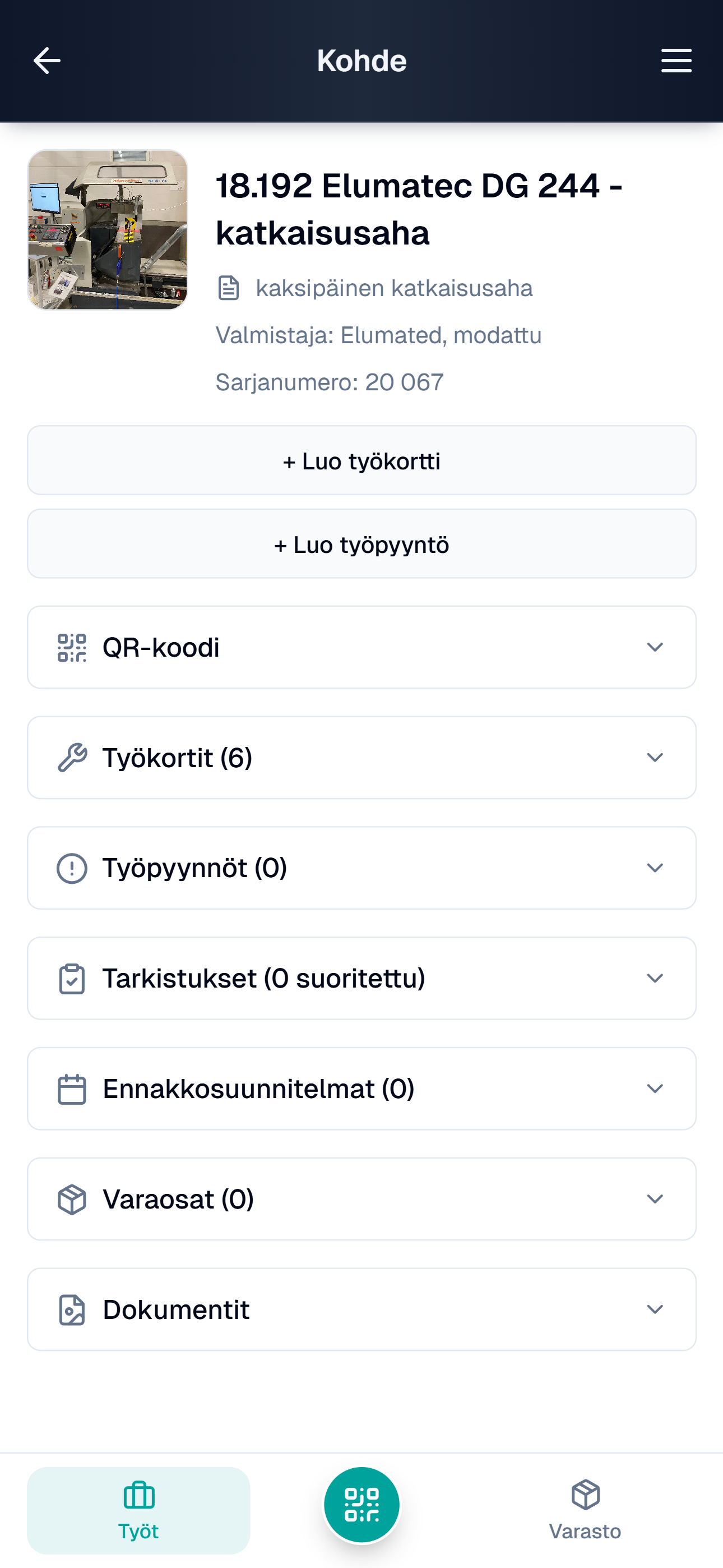
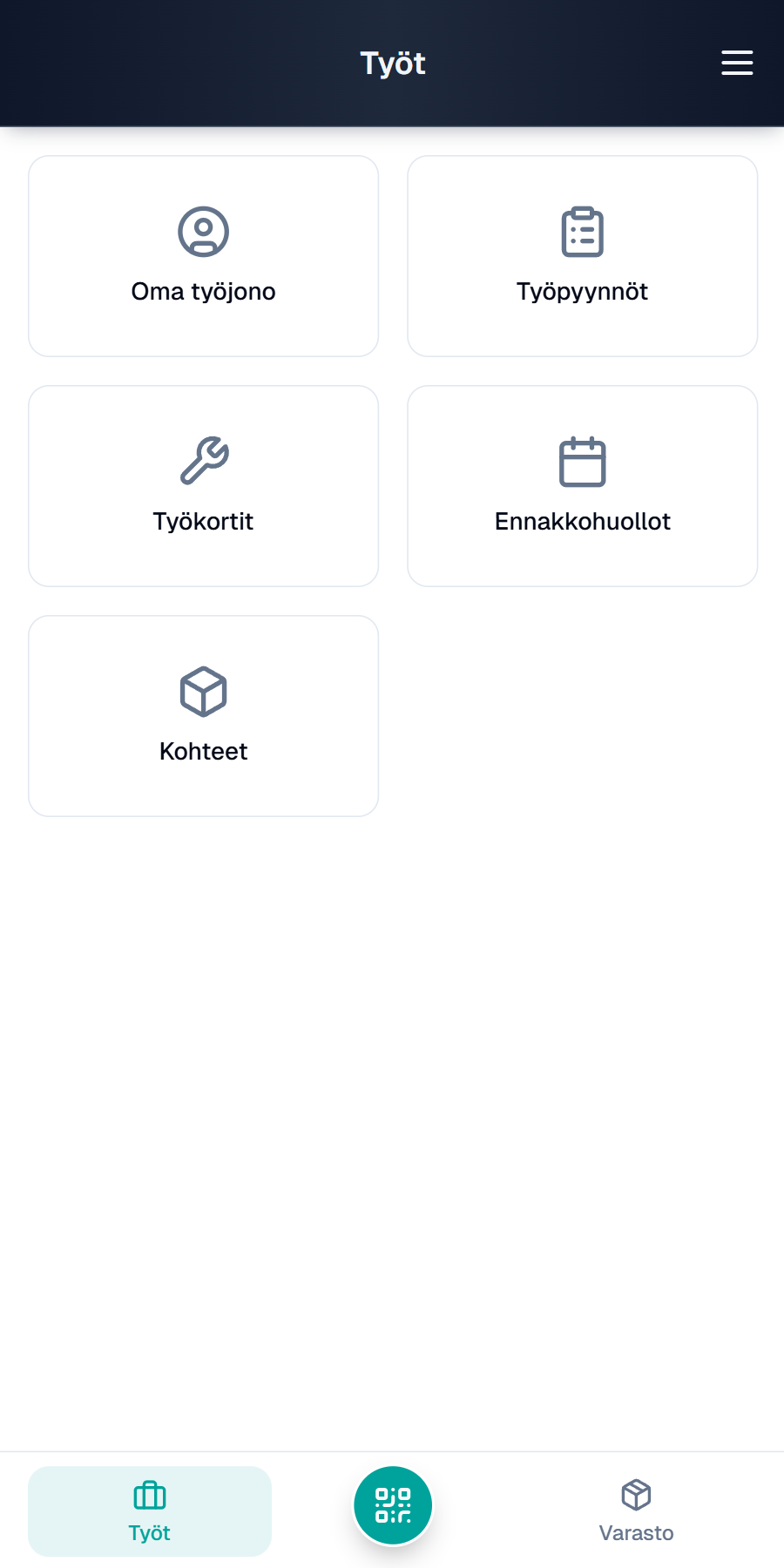
Kare Maint is designed for maintenance operations. It combines work requests, work orders, preventive maintenance, asset information and reporting into one operational system that supports daily execution even in high-paced environments.
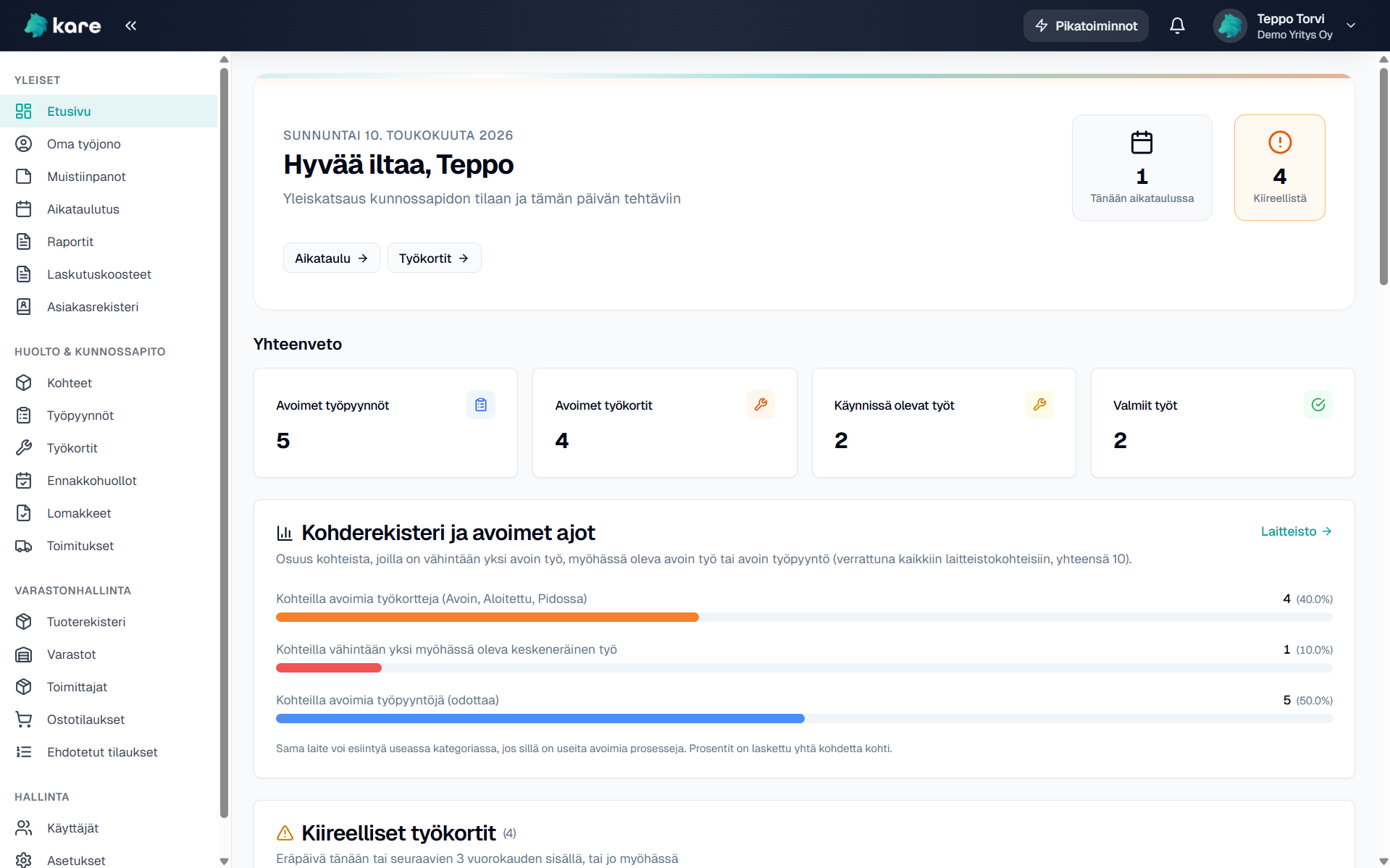
In practice, maintenance work no longer lives in scattered message threads, paper notes or disconnected spreadsheets. Entries are captured as work happens, so both field and office teams have the same real-time status view and decisions can be based on actual data.
How daily work flows in Kare Maint
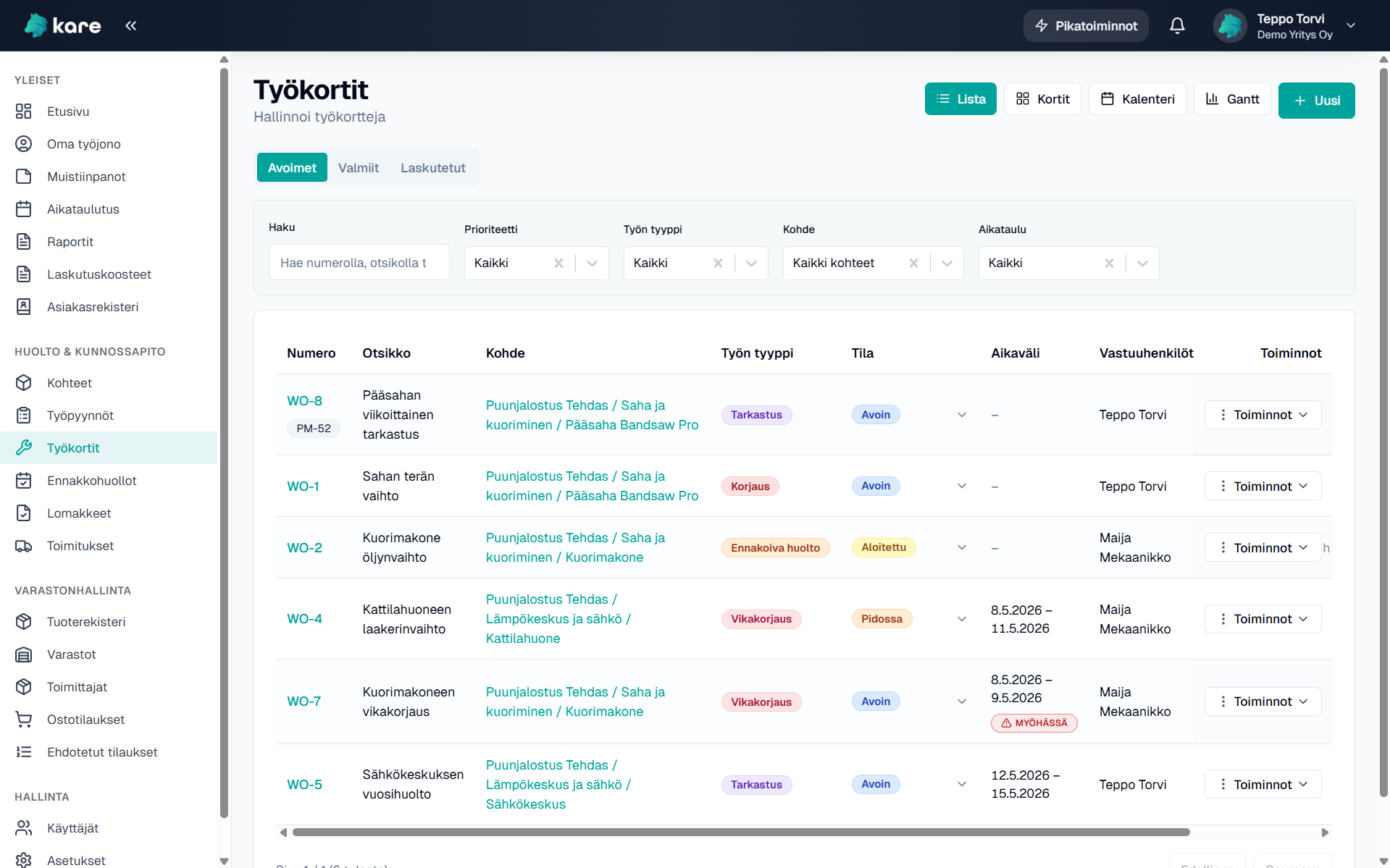
The process runs clearly from start to finish. A request is received, work is opened, execution is logged, and the completed work remains available for reporting and billing. This reduces uncertainty because each job has a visible status and clear ownership.
- Work request is received and prioritized
- Work order is opened and assigned
- Work, hours and materials are logged during execution
- Completed work is documented and carried into reporting and billing support
Core capabilities
Work management, assets, preventive maintenance and reporting form one continuous workflow. In the field, teams can open the correct asset via QR code and log labor and materials directly on work orders. In the office, progress is immediately visible without separate manual consolidation.
Preventive tasks and inspections keep planned work on schedule. As maintenance history accumulates automatically by asset, overall visibility improves and recurring issues can be analyzed more effectively.
- Work requests, work orders and clear queue management in one view
- Asset register and QR-based fast mobile access
- Recurring preventive maintenance, inspections and maintenance history
- Material entries, inventory operations and reporting views
Two operating models
Kare Maint supports two usage models depending on your business model. In internal maintenance, the focus is on planning, preventive work, failure history and production availability.
In external service operations, customer-facing work and billability are added to the same workflow. Kare Maint then supports not only maintenance execution but also the billing process and practical control of customer and product data.
- Internal maintenance: work queues, preventive tasks, asset history and resource control
- External service operations: billing feature, simple customer register and job flow through to invoicing
- Inventory in external mode: separate sales price list for billable maintenance materials
Full inventory management for maintenance
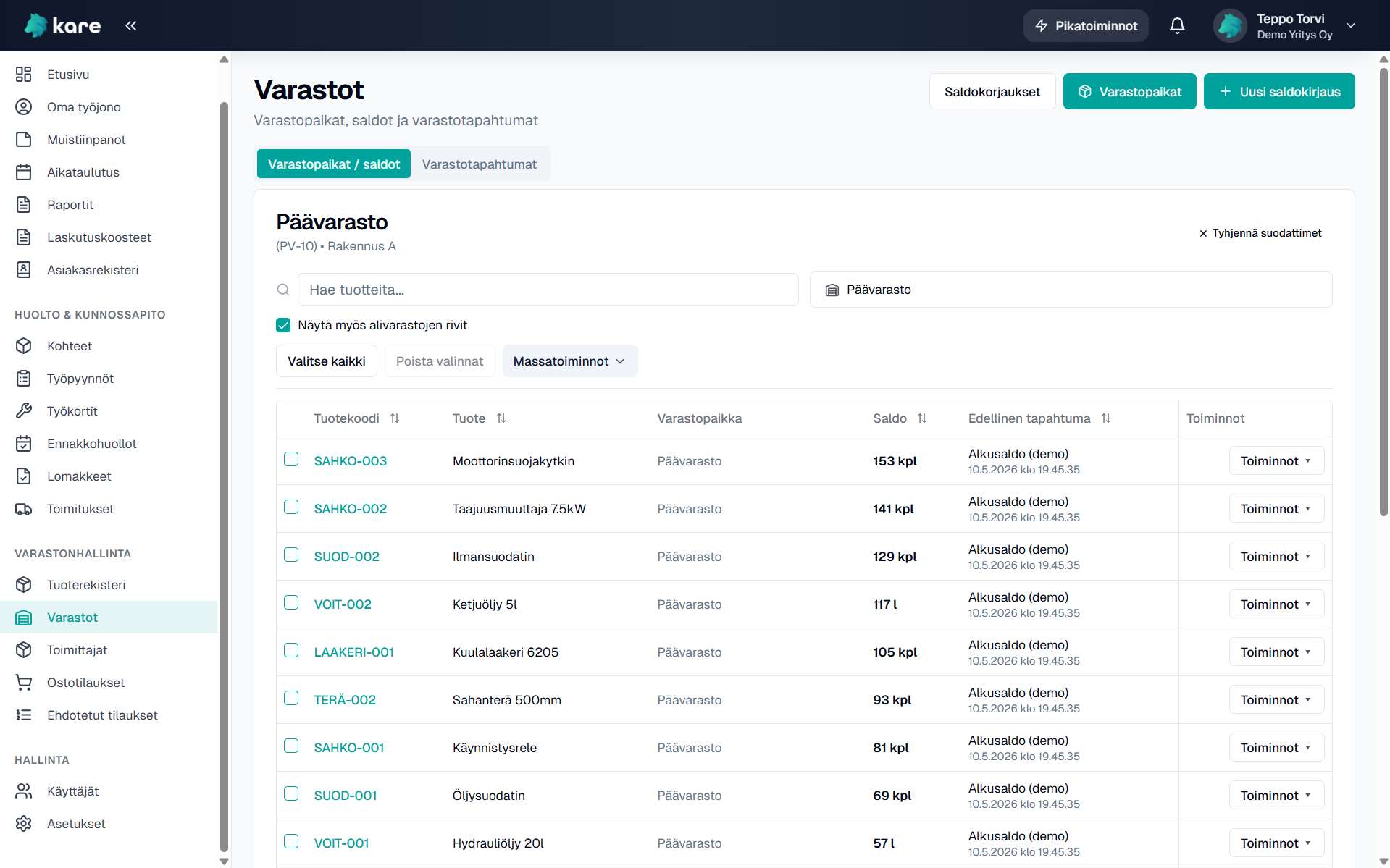
Inventory in Kare Maint is a full operational module, not an add-on field on a work order. It includes product and supplier registers, warehouses and sub-warehouses, inventory transactions, stock adjustments, purchase orders, receiving, and suggested orders based on minimum levels.
In our experience, maintenance inventory control is often the hardest area to keep in shape: parts are in the wrong place, stock data is not trusted, and replenishment starts too late. Kare Maint addresses this with a clear operational inventory model that helps teams keep stock data current and maintenance execution uninterrupted.
- Multi-warehouse and storage-location management with product-level stock tracking
- Minimum quantities and suggested orders for proactive replenishment
- Purchase order flow from draft to receiving and stock update
- External service mode: separate sales price list for billable inventory items
Who Kare Maint is for
Kare Maint fits organizations where maintenance performance is critical to daily operations. The common need profile is consistent: fast visibility into work status, documentation that keeps up with execution, and smooth information flow between field and office.
- Service businesses managing response times and work throughput
- Internal maintenance teams in industrial and production environments
- Property and equipment maintenance where mobile usage is essential
Practical rollout
Rollout starts with mapping and a clear first scope. In many cases the first step is a focused pilot to validate the operating model in real work before broader deployment.
After that, usage is expanded in phases, users are trained by role, and reporting is finalized according to your needs. This keeps the transition controlled and avoids unnecessary disruption to daily operations.
Next step: book a short Kare Maint intro and review fit for your process.